<?xml version="1.0" encoding="utf-8" ?>
<rdf:RDF xmlns:rdf="http://www.w3.org/1999/02/22-rdf-syntax-ns#" xmlns:dc="http://purl.org/dc/elements/1.1/" xmlns:syn="http://purl.org/rss/1.0/modules/syndication/" xmlns="http://purl.org/rss/1.0/">


<channel rdf:about="https://www.iea.usp.br/search_rss">
  <title>Instituto de Estudos Avançados da Universidade de São Paulo</title>
  <link>https://www.iea.usp.br</link>

  <description>
    
            These are the search results for the query, showing results 1 to 3.
        
  </description>


  <image rdf:resource="https://www.iea.usp.br/logo.png" />

  <items>
    <rdf:Seq>
      
        <rdf:li rdf:resource="https://www.iea.usp.br/en/media-library/photos/events-2015/as-mudancas-climaticas-e-a-seguranca-alimentar-ciclo-tematico-14-de-outubro-de-2015" />
      
      
        <rdf:li rdf:resource="https://www.iea.usp.br/en/news/sense-of-humanity-and-hospitality-in-a-world-of-wars-and-hunger" />
      
      
        <rdf:li rdf:resource="https://www.iea.usp.br/en/news/children-who-care-global-perspectives-on-childrens-hidden-care-giving-roles-within-their-families" />
      
    </rdf:Seq>
  </items>

</channel>


  <item rdf:about="https://www.iea.usp.br/en/media-library/photos/events-2015/as-mudancas-climaticas-e-a-seguranca-alimentar-ciclo-tematico-14-de-outubro-de-2015">
    <title>Cycle "Towards COP 21": Climate Change and Food Security - October 14, 2015</title>
    <link>https://www.iea.usp.br/en/media-library/photos/events-2015/as-mudancas-climaticas-e-a-seguranca-alimentar-ciclo-tematico-14-de-outubro-de-2015</link>
    <description></description>
    
    <dc:publisher>No publisher</dc:publisher>
    <dc:creator>Richard Meckien</dc:creator>
    <dc:rights></dc:rights>
    
      <dc:subject>Research Group: Environment and Society</dc:subject>
    
    
      <dc:subject>Climate</dc:subject>
    
    
      <dc:subject>Natural Resources</dc:subject>
    
    
      <dc:subject>Hunger</dc:subject>
    
    
      <dc:subject>Climate Change</dc:subject>
    
    
      <dc:subject>Energy</dc:subject>
    
    
      <dc:subject>Water</dc:subject>
    
    
      <dc:subject>Environment</dc:subject>
    
    
      <dc:subject>World</dc:subject>
    
    
      <dc:subject>Cities</dc:subject>
    
    <dc:date>2015-10-26T16:05:00Z</dc:date>
    <dc:type>Pasta</dc:type>
  </item>


  <item rdf:about="https://www.iea.usp.br/en/news/sense-of-humanity-and-hospitality-in-a-world-of-wars-and-hunger">
    <title>Sense of humanity and hospitality in a world of wars and hunger</title>
    <link>https://www.iea.usp.br/en/news/sense-of-humanity-and-hospitality-in-a-world-of-wars-and-hunger</link>
    <description></description>
    <content:encoded xmlns:content="http://purl.org/rss/1.0/modules/content/"><![CDATA[<p>Diversity is a feature of the contemporary world, from which some trends that transform countries in modern towers of Babel derive. Increasing global migration, aging, migration by sectarian wars and hunger are some traces of modernity.</p>
<p><span>The consequences of the Middle East conflicts put <span>the impact of the astonishing figures of war and hunger refugees </span>in evidence in the international agenda, with no similar situation in history.</span></p>
<p>The theme leads to the discussion of the principle of hospitality, defined by philosopher Jacques Derrida as the ability to receive the other as different, but essentially the same. It also raises a comparative analysis of the European and Brazilian reaction to the issue. <i>The Challenge of Hospitality: Migrants and Refugees</i> is the title of the debate to be held by the IEA on <strong>October 22</strong>, <strong>at 2.30 pm</strong>, in the Institute's Events Room.</p>
<p>This will be the second meeting of the Laboratory of Global Megatrends and Challenges to Democracy. The conference will have the coordination of Portuguese political scientist Álvaro de Vasconcelos, an assistant professor at the USP's Institute of International Relations (IRI), and the participation of Geraldo Adriano Godoy de Campos, a professor at the ESPM's course of international relations, and <a href="https://www.iea.usp.br/en/persons/researchers/sylvia-duarte-dantas-1" class="external-link">Sylvia Dantas</a>, coordinator of the <a href="https://www.iea.usp.br/en/research/research-groups/intercultural-dialogues" class="external-link">IEA's Intercultural Dialogues research group</a>. The laboratory was started in June this year with the debate <i><a href="https://www.iea.usp.br/en/news/identity-based-nationalism-in-focus" class="external-link">The Challenge of Identity-Based Nationalism</a></i>.</p>
<table class="tabela-direita-borda">
<tbody>
<tr>
<th>
<h3>Related material</h3>
<p><a href="https://www.iea.usp.br/en/news/identity-based-nationalism-in-focus" class="external-link">Identity-Based Nationalism in Focus</a></p>
</th>
</tr>
</tbody>
</table>
<p><span>"We have watched the drama of those who hoped to find refuge and hospitality and ended up finding walls, barbed wire, violence and mistrust in many countries that have 'fear of the other', especially Muslims and those who come from the Middle East," says Vasconcelos.</span></p>
<p>The war in Syria has forced four million people to leave the country and eight million to move internally. In addition to them there are war refugees from Iraq, Afghanistan, Sudan, Eritrea and Somalia. Thus, the number of refugees in the world in 2014 reached 59.5 million according to estimates by the <a class="external-link" href="http://www.unhcr.org/cgi-bin/texis/vtx/home">UN Refugee Agency</a><span>.</span></p>
<p><span>The event will be broadcast live over the </span><a href="https://www.iea.usp.br/en/aovivo" class="external-link">web</a><span>.</span></p>]]></content:encoded>
    <dc:publisher>No publisher</dc:publisher>
    <dc:creator>Richard Meckien</dc:creator>
    <dc:rights>Original version in Portuguese by Sylvia Miguel</dc:rights>
    
      <dc:subject>Europe</dc:subject>
    
    
      <dc:subject>Human Rights</dc:subject>
    
    
      <dc:subject>Sociology</dc:subject>
    
    
      <dc:subject>Citizenship</dc:subject>
    
    
      <dc:subject>Democracy</dc:subject>
    
    
      <dc:subject>Geopolitics</dc:subject>
    
    
      <dc:subject>Violence</dc:subject>
    
    
      <dc:subject>War</dc:subject>
    
    
      <dc:subject>Migration</dc:subject>
    
    
      <dc:subject>Globalization</dc:subject>
    
    
      <dc:subject>Social Sciences</dc:subject>
    
    
      <dc:subject>Middle east</dc:subject>
    
    
      <dc:subject>Political Science</dc:subject>
    
    
      <dc:subject>World</dc:subject>
    
    
      <dc:subject>Nationalism</dc:subject>
    
    
      <dc:subject>Event</dc:subject>
    
    
      <dc:subject>History</dc:subject>
    
    <dc:date>2015-10-16T16:35:00Z</dc:date>
    <dc:type>Notícia</dc:type>
  </item>


  <item rdf:about="https://www.iea.usp.br/en/news/children-who-care-global-perspectives-on-childrens-hidden-care-giving-roles-within-their-families">
    <title>Children Who Care – Global Perspectives on Children’s Hidden Care-Giving Roles within their Families</title>
    <link>https://www.iea.usp.br/en/news/children-who-care-global-perspectives-on-childrens-hidden-care-giving-roles-within-their-families</link>
    <description></description>
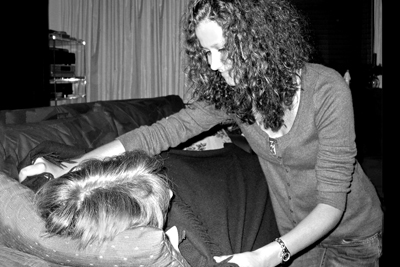
    <content:encoded xmlns:content="http://purl.org/rss/1.0/modules/content/"><![CDATA[<p style="text-align: justify; "><img src="https://www.iea.usp.br/imagens/YoungCarers-tucking1-bw-by-Produnis-self-made-first-published-at-NursingWiki.-Licensed-under-CC-BY-SA-3.0-via-Commons-https-commons.wikimedia.orgwikiFile-YoungCarers_tucking1_bw.jpg%23mediaFile-YoungCarers_tucking1_bw" alt="Jovens cuidadores " class="image-left" title="Jovens cuidadores " />Children and young people have been increasingly spending their time in a position which grows throughout the world. Tens of millions of them become informal caregivers of older members of their own family, often parents, grandparents or close relatives who are ill, disabled or in need of assistance, support and supervision.</p>
<p style="text-align: justify; ">Studies in this area, especially in the UK, Australia, the United States and sub-Saharan Africa, show that there is a diversity of social policies evolving to support these <span>unpaid </span>young care providers. However, it remains a hidden world which lacks global visibility and more knowledge on the theme.</p>
<p style="text-align: justify; ">Professor <a href="https://www.iea.usp.br/en/persons/speakers/saul-becker" class="external-link">Saul Becker</a>, Pro-Vice-Chancellor at the <a class="external-link" href="http://www.birmingham.ac.uk/index.aspx">University of Birmingham</a> and a specialist in this line of research, will address the theme at the conference <i>Children Who Care – Global Perspectives on Children’s Hidden Care-Giving Roles within their Families</i>, that will take place on <strong>October 21</strong>, in the IEA's Events Room, <strong>from 9.30 am to 12 pm</strong>. <a href="https://www.iea.usp.br/en/persons/researchers/ana-lydia-sawaya" class="external-link">Ana Lydia Sawaya</a>, coordinator of the <a href="https://www.iea.usp.br/en/research/research-groups/nutrition-and-poverty" class="external-link">IEA's Nutrition and Poverty Research Group</a> and a professor at UNIFESP, will participate as a debater.</p>
<p style="text-align: justify; ">Becker's work has influenced the academic debate and the implementation of public policies and practices that are designed to meet the needs of young carers. In his speech, he will explore the hidden worlds of children who provide assistance and care to adults, showing how and why some countries have identified and legislated this role as that of a specific group that requires support and intervention. In most countries, these children and young people remain hidden, invisible and isolated, with negative consequences for their lives, families and society as a whole.</p>
<p style="text-align: justify; "><span>Studies in the area suggest that the informal care provided by the young in developed and developing nations can be located along a continuous flow of care. They also show that these young people have much in common, regardless of where they live or how the social security systems of their countries are developed. Thus, there is a global need for these young people to get recognized, identified, analyzed and assisted as a distinct group of "vulnerable children".</span></p>
<p style="text-align: justify; "><span>Through its </span><a class="external-link" href="http://www.birmingham.ac.uk/research/activity/ias/index.aspx">Institute of Advanced Studies</a><span>, the University of Birmingham is linked to the </span><a class="external-link" href="http://www.ubias.net/">University-Based Institute of Advanced Studies (UBIAS)</a><span>, a network that brings together 34 institutes for advanced studies of the whole world. Created in 2010, it aims to promote the scientific exchange between generations, disciplines and cultures.</span></p>]]></content:encoded>
    <dc:publisher>No publisher</dc:publisher>
    <dc:creator>Richard Meckien</dc:creator>
    <dc:rights>Original version in Portuguese by Sylvia Miguel</dc:rights>
    
      <dc:subject>Human Rights</dc:subject>
    
    
      <dc:subject>Education</dc:subject>
    
    
      <dc:subject>Citizenship</dc:subject>
    
    
      <dc:subject>Interdisciplinarity</dc:subject>
    
    
      <dc:subject>Public Health</dc:subject>
    
    
      <dc:subject>Public Policies</dc:subject>
    
    
      <dc:subject>Elderly</dc:subject>
    
    
      <dc:subject>Social Sciences</dc:subject>
    
    
      <dc:subject>Globalization</dc:subject>
    
    
      <dc:subject>Sociology</dc:subject>
    
    
      <dc:subject>Medicine</dc:subject>
    
    
      <dc:subject>World</dc:subject>
    
    
      <dc:subject>Cities</dc:subject>
    
    
      <dc:subject>Childhood</dc:subject>
    
    <dc:date>2015-10-06T15:10:00Z</dc:date>
    <dc:type>Notícia</dc:type>
  </item>


</rdf:RDF>
